The politics of airport development involve a complex interplay of interests between governments, airlines, local communities, and other stakeholders. For example, governments may prioritize economic growth and job creation, while local communities may prioritize environmental concerns. Airlines may prioritize cost savings and efficiency, while passengers may prioritize convenience and comfort.
The development of a new airport or terminal in a specific location can illustrate the complex politics involved. For example, the construction of a new terminal at a major airport may require the relocation of local residents, businesses, or environmental habitats. In such cases, governments, airlines, and airport authorities must navigate complex negotiations with local communities, balancing competing interests and priorities.
Local communities are also significant stakeholders in airport development, as airports can have a substantial impact on the environment, noise levels, and local economic activity. Residents may oppose airport expansion or development, citing concerns about noise pollution, air quality, and increased traffic. On the other hand, local businesses may support airport growth, as it can bring in new customers and create jobs.
Airlines are major stakeholders in airport operations, as they rely on airports to provide services to their customers. They have a strong interest in ensuring that airports are well-maintained, efficient, and offer competitive services. Airlines often negotiate with governments and airport authorities to secure favorable terms, such as lower fees and better facilities. However, airlines may also have competing interests, such as minimizing costs and maximizing revenue.
MASSAGE
SEND
×The message has been sent!
In the near future we will reply to you.
Regards WDS
|
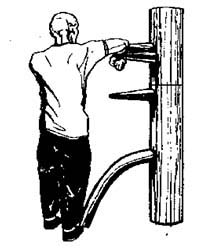
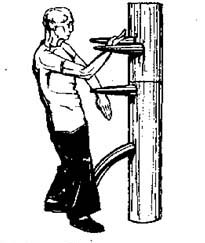
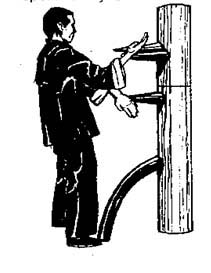
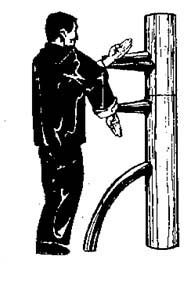
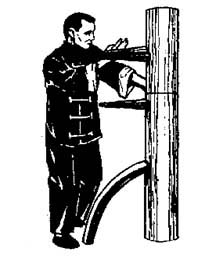
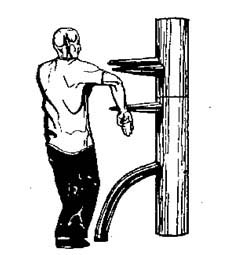
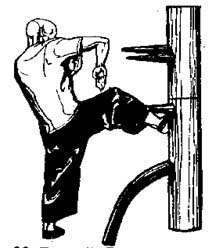
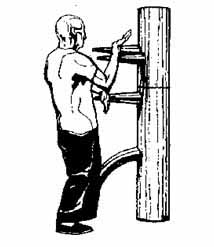
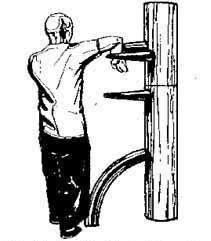
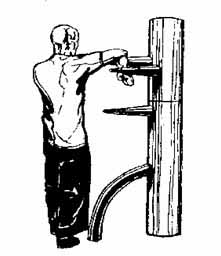
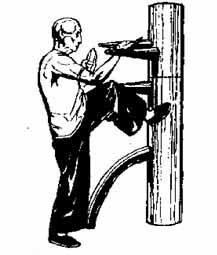
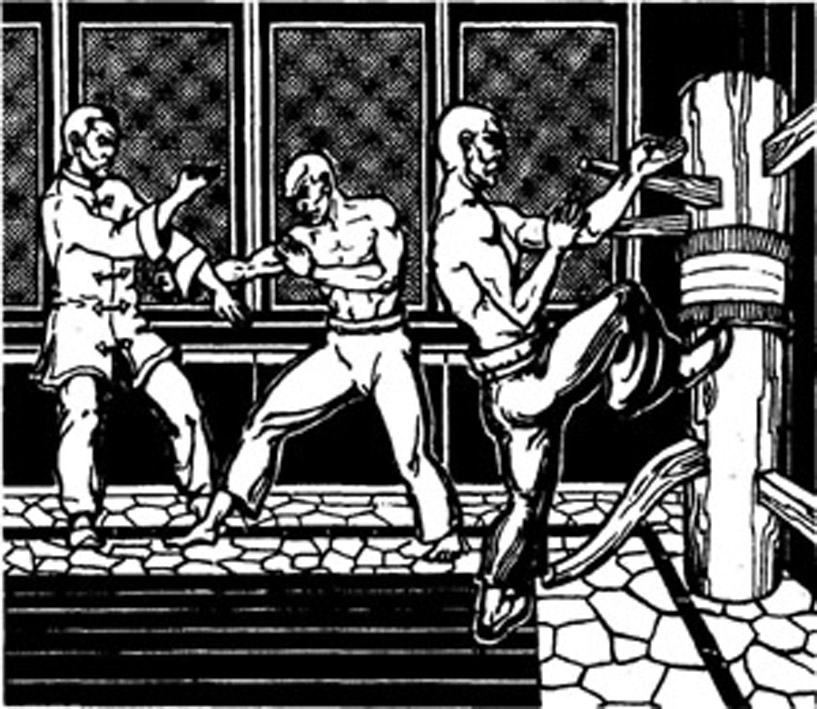
The Dummy - a versatile design, the system of life and knowledge generated of nowhere. The story of the dummy requires a separate investigation and treatment of the ancient treatises, and primary sources. But enough evidence to suggest that the history of a WD the longer of Wing Chun history as an independent style. Will there be a dummy to before create a Wing Chun or Wing Chun has appeared before - difficult to resolve the problem, which requires special studies.
|
| SECTION 1 | ||
![]() |
![]() |
![]() |
![]() |
![]() |
![]() |
![]() |
![]() |
![]() |
![]() |
![]() ![]() |
![]() |
![]() |
![]() |
![]() |
![]() |
![]() ![]() |
![]() |
![]() |
![]() ![]() |
![]() |
![]() |
![]() |
![]() |
![]() |
![]() |
![]() |
![]() |
![]() |
![]() |
| SECTION 2 | ||
![]() |
![]() |
![]() |
![]() |
![]() |
![]() |
![]() |
![]() |
![]() |
![]() |
![]() ![]() |
![]() |
![]() |
![]() |
![]() |
![]() |
![]() ![]() |
![]() |
![]() |
![]() ![]() |
![]() |
![]() |
![]() |
![]() |
![]() |
![]() |
![]() |
![]() |
![]() |
![]() |
| SECTION 3 | ||
![]() |
![]() |
![]() |
![]() |
![]() |
![]() |
![]() |
![]() |
![]() |
![]() |
![]() |
![]() |
![]() |
![]() |
![]() |
![]() |
![]() ![]() |
![]() |
![]() |
![]() |
![]() |
![]() |
![]() |
![]() |
![]() |
![]() ![]() |
![]() |
![]() |
||
| SECTION 4 | ||
![]() |
![]() |
![]() |
![]() |
![]() |
![]() |
![]() |
![]() |
![]() |
![]() |
![]() |
![]() |
![]() |
![]() ![]() |
![]() |
![]() |
![]() |
![]() |
![]() |
![]() |
![]() |
![]() |
![]() |
![]() |
![]() |
![]() |
![]() |
| SECTION 5 | ||
![]() |
![]() ![]() |
![]() |
![]() |
![]() ![]() |
![]() |
![]() |
![]() ![]() |
![]() |
![]() |
![]() ![]() |
![]() |
![]() |
![]() ![]() |
![]() |
![]() |
![]() ![]() |
![]() |
![]() |
![]() |
![]() |
![]() |
![]() |
![]() |
![]() |
![]() |
![]() |
![]() |
![]() |
![]() |
![]() |
![]() |
![]() |
![]() |
![]() |
![]() |
![]() |
![]() |
![]() |
![]() |
![]() |
![]() |
![]() |
![]() |
![]() |
![]() |
![]() |
![]() |
![]() |
![]() ![]() |
![]() |
![]() |
![]() |
![]() |
![]() |
![]() ![]() |
![]() |
![]() |
![]() |
![]() |
![]() |
![]() |
![]() |
![]() |
![]() |
![]() |
| SECTION 6 | ||
![]() |
![]() |
![]() |
![]() |
![]() |
![]() |
![]() |
![]()
|
![]() |
![]() |
![]() |
![]() |
![]() |
![]() |
![]() |
![]() |
![]() ![]() |
![]() |
![]() |
![]() |
![]() |
![]() |
![]() ![]()
|
![]() |
![]() |
![]() |
![]() |
![]() |
![]() ![]()
|
![]() |
![]() |
![]() |
![]() |
![]() |
![]() ![]()
|
![]() |
![]() |
![]() |
![]() |
![]() |
![]() |
![]() |
![]() |
![]() |
![]() |
| SECTION 7 | ||
![]() |
![]() |
![]() |
![]() |
![]() |
![]() |
![]() |
![]() |
![]() |
![]() |
![]() ![]() |
![]() |
![]() |
![]() |
![]() |
![]() |
![]() |
![]() |
![]() |
![]() ![]() |
![]() |
![]() |
![]() |
![]() |
![]() |
![]() |
![]() |
![]() |
![]() ![]() |
![]() |
![]() |
![]() |
![]() |
![]() |
![]() ![]() |
![]() |
![]() |
![]() |
![]() |
![]() |
![]() |
![]() |
![]() |
![]() |
![]() |
| SECTION 8 | ||
![]() |
![]() |
![]() |
![]() |
![]() |
![]() |
![]() |
![]() |
![]() |
![]() |
![]() ![]() |
![]() |
![]() |
![]() |
![]() |
![]() |
![]() |
![]() |
![]() |
![]() |
![]() |
![]() |
![]() |
![]() |
![]() |
![]() ![]() |
![]() |
![]() |
![]() |
![]() |
![]() |
![]() |
![]() |
![]() |
![]() ![]() |
![]() |
![]() |
![]() |
![]() |
![]() |
![]() ![]() |
![]() |
![]() |
![]() |
![]() |
![]() |
![]() ![]() |
![]() |
![]() |
![]() |
![]() |
![]() |
![]() ![]() |
![]() |
![]() |
![]() |
![]() |
![]() |
![]() ![]() |
![]() |
![]() |
![]() |
![]() |
![]() |
![]() |
![]() |
![]() |
![]() |
![]() |
![]() |
![]() |
![]() |
![]() |
![]() |
![]() |
The politics of airport development involve a complex interplay of interests between governments, airlines, local communities, and other stakeholders. For example, governments may prioritize economic growth and job creation, while local communities may prioritize environmental concerns. Airlines may prioritize cost savings and efficiency, while passengers may prioritize convenience and comfort.
The development of a new airport or terminal in a specific location can illustrate the complex politics involved. For example, the construction of a new terminal at a major airport may require the relocation of local residents, businesses, or environmental habitats. In such cases, governments, airlines, and airport authorities must navigate complex negotiations with local communities, balancing competing interests and priorities. cfnm net airport 2010 politics exclusive





Local communities are also significant stakeholders in airport development, as airports can have a substantial impact on the environment, noise levels, and local economic activity. Residents may oppose airport expansion or development, citing concerns about noise pollution, air quality, and increased traffic. On the other hand, local businesses may support airport growth, as it can bring in new customers and create jobs. The politics of airport development involve a complex

Airlines are major stakeholders in airport operations, as they rely on airports to provide services to their customers. They have a strong interest in ensuring that airports are well-maintained, efficient, and offer competitive services. Airlines often negotiate with governments and airport authorities to secure favorable terms, such as lower fees and better facilities. However, airlines may also have competing interests, such as minimizing costs and maximizing revenue. The development of a new airport or terminal