Ente Febi Pdf Direct
Ente Febi Pdf Direct


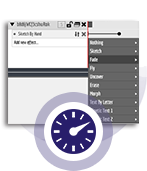
Just pick an object or action to get started
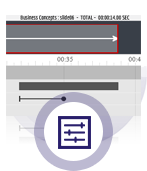
Edit with your message and custom effects

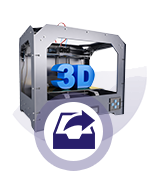
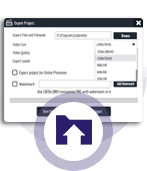
Export to computer and share!
By now, you know how powerful video is.
YouTube gets over 3 Billion views a day.
And Facebook VIDEO gets almost 2 Billion a day as well.
With that many viewers, there's almost an unlimited availability of traffic, regardless of what your niche or business is.
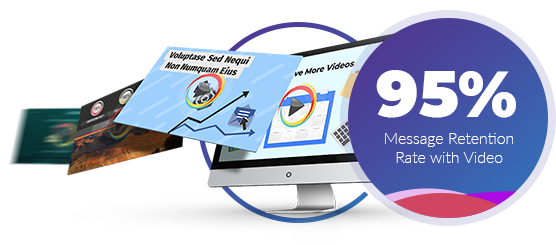
Studies show that viewers retain up to 95% of a message when you watch it in video compared to just 10% when reading text.
And even though everything I share in this page is listed above the video, chances are, it’s just EASIER to let ME do the talking, allowing you to just listen and watch.
18 months ago, when I wanted an interactive explainer video created for one of my companies, I was shocked.
I wanted a video with 2 or more people talking to each other, sharing a message.The cost was jaw dropping.
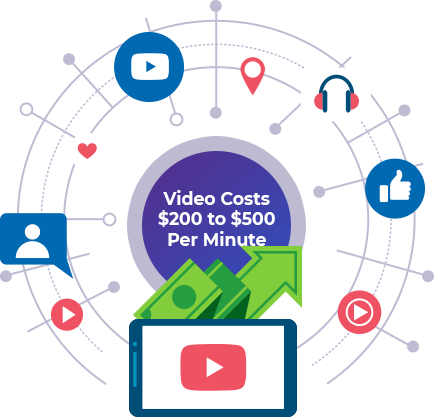
A simple 1 minute animated video would cost me anywhere from $200 to $500 PER MINUTE to get made!
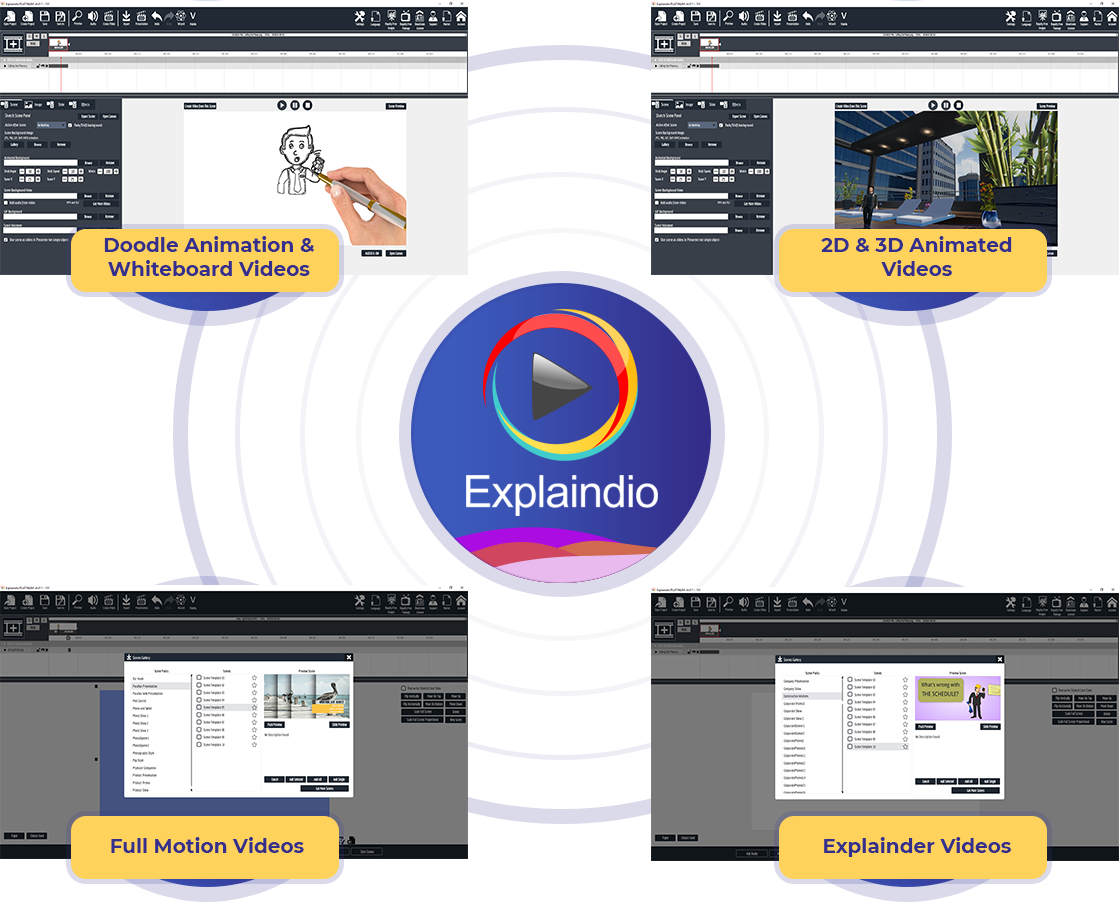
Explandio is an all-in-one video creator that focuses on helping you create attention grabbing, professional looking 2D, 3D, explainer, and training videos in just minutes.

WITHOUT requires hours of training or technical experience.
WITHOUT requiring special set of software.
WITHOUTspending hours upon hours and hundreds to thousands of dollars getting a video created.
Explandio is focused on creating amazing video content to help you get more leads and make more sales.
In the end, perhaps the most honest reading is simple: Ente and Febi are names; PDF is a file. Someone cared enough to name a document. Someone expected it to matter. That expectation—of memory, of continuity, of being read later—might be the deepest human impulse the phrase evokes. The archive, after all, is an act of faith: faith that a future eye will pause, click, and say, here was someone once; here was something once.
This parable suggests a tension between intimacy and infrastructure. When lovers exchange a PDF of a letter, do they succeed in communing, or do they sanitize risk in the act of preservation? When a marginalized narrative is submitted as a PDF to an archive, is it empowered or constrained by the conventions that govern digitized testimony? Formats carry politics. PDF was invented to standardize; it resists surprise. That is useful and also limiting. Formats determine accessibility, gatekeep information, and influence who can read, reuse, or transform content. “Ente Febi PDF” can be read as a metafictional prompt: Who gets to decide whether the story of Ente and Febi appears as a flowing webpage, a printed book, or a locked PDF? The choice affects discoverability, rights, and the possibility of remix.
Consider how institutions wield PDFs: bureaucracies produce them in abundance—forms that demand names, boxes checked, official attestations. Citizens respond with PDFs to assert identity or claim services. The personal document (a handwritten note, a poem) converted to PDF enters bureaucratic or archival spheres and, in doing so, is sometimes domesticated. The conversion is both a rescue against loss and a gentle erasure of spontaneity. There is an aesthetic pleasure in indexing: the act of naming, tagging, placing something in a folder. “Ente Febi PDF” evokes an indexed artifact—somewhere a file titled so, waiting to be clicked. Indexing promises retrieval; it imposes order. But it also reduces.
Thus “Ente Febi PDF” can be read as a meditation on mediation: the technologies we use to preserve culture are inert without human attention. The file is a vessel; interpreters give it life. We leave artifacts for those who come after. The naming practice—attaching a human name to a file—suggests an attempt at creating continuity: “This was me. This was us.” The PDF format becomes a protest against oblivion. Yet the archive is also a realm of choices: what to save, what to delete, what to redact. Those choices shape collective memory.
Imagine a digital archive where every file is a personality: Ente.pdf, Febi.pdf, Ente_Febi.pdf. Users navigating this archive perform a small ritual: they invoke memory via filenames. The word “PDF” appended to a name signals not only format but a threshold. The click is a crossing from metadata to content. How do the conventions of filenames and folders shape narratives? They compel compression: a life summed up in 20 characters. There’s a melancholy beauty in that compression—the way love, grief, scandal, and joy are distilled into labels. A PDF is often prized for fidelity—the guarantee that content appears the same across devices. Yet fidelity presupposes a shared norm: a font, a layout, a language. Ente and Febi may share a language; they may not. When documents travel across cultures and tongues, what is preserved? The question of translation becomes central. Translators do not merely swap words; they repair cultural gaps. A PDF may carry an original text and a translated side-by-side version, but the file cannot perform the act of translation on its own. It needs someone to listen to rhythm, to hear implications beneath phrasing, to locate idiom and register.
Explaindio Videos grab attention. That means it stops visitors as they scroll through their social media and gets them to watch your video.
Using Explaindio you can engage and attract more visitors to your website, to help you get more leads and sales!
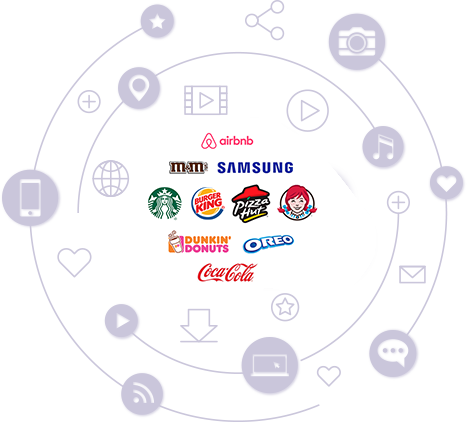
Brands like Starbucks, M&M’s, Wendy’s, Samsung and many other fortune 500 companies use this style of video to make an announcement, tell a story, promote a product, or even promote an event.
Use them in your video to elevate the video, share a stronger story, and get more views.








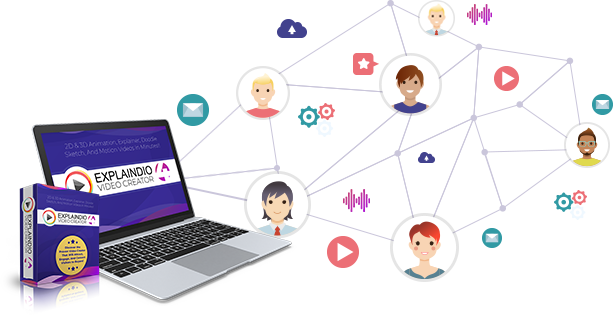
We are an established market leader of do-it-yourself rapid business video content production.Tens of thousands of creators, marketers, entrepreneurs, and businesses are already using our Explaindio software with more joining every day.
We have really taken the explainer, marketing, and advertisement video to the next level with this software.

If you get Explaindio before this special bonus expires you will get extra 90 scene templates from which Explaindio sales video was generated. You can customize it, mix and match with other scene templates to generate your own sales videos.
3D models shown in above video are not included with the software.
The #1 Animation, Doodle Sketch, and Motion Video Creation Software. Compatible with both Windows and Mac.

It allows you to join vibrant community of thousands video creators, bring your video creation skills to the next level, and get feedback for your videos.

All scenes are customizable with your content like text, image, videos, colors, and more
Library includes both black line and color images
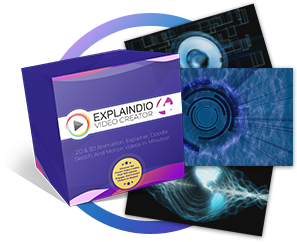
Animated motions background video to make your videos richer.
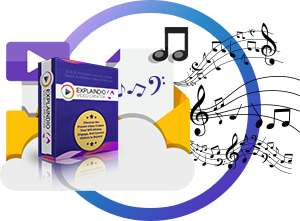
Background music audio tracks to get you started.

Images you can use as featured or as background.
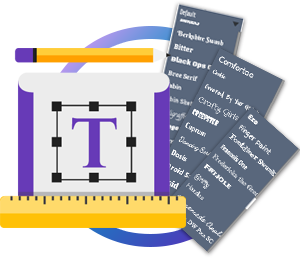
Those fonts are to get you started. You can import any font.

Each character comes with a set of animations
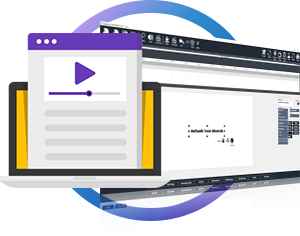
Easy to follow tutorials how to use the software more effective way.

Store Your Projects In The Explaindio Cloud

Easy Access When You Need It
As you just saw, Explandio has eliminated the guesswork, the cost, and taking the creation of video to the next level.
That's why over 35,000 plus businesses and people use and trust Explaindio as their choice of video creation.
Listen – regardless if you just want a simple video, an highly interactive doodle video, an animated 2D or 3D video for your marketing, an explainer video to educate, engage, and get sales, or create custom training videos, Explandio can do it for you.
On top of the Explandio video creator and editor you just watched in the demo, we’re going to give you a full suite of creative assets with the software:

200 ReadyToUse Animated Scenes
100 Full HD Background Videos
500 Doodle Sketch Images
Background Audio Tracks
300+ Fonts
6 Animated Characters
180+ Click and Custom Text Animations
Access to private Explaindio Group
Explaindio was created FOR YOU to save you tons of money on video production WHILE giving you increased conversions, which means more sales and more money.
Today, we’re proud to share with you our masterpiece. Explaindio is by far one of the coolest, easiest to use software desktop apps we’ve created to date.
We hope you enjoy.

Explaindio Video Creator Software
200 Ready To Use Animated Scenes
100 Full HD Background Videos
180+ Ready To Edit Text Animations
Easy Video Creation Wizard
6 Animated Characters
Membership to Explaindio Closed Group
500 Doodle Sketch Images
Background Audio Tracks
300+ Fonts
3D Models and Animations
Step by Step Video Tutorials
Normal Price: $57 per month.



Normal Price: $147 per year.

Normal Price: $697 One-Time
Special One-Time Pricing
This is a desktop based software available for both PC or Mac. Internet is required for initial install and cloud access.
There is no limit to the number of videos you create for your personal use. If you want to use it for clients or sell, you will need an enterprise license, which will be an added expense.
You can install Explaindio on one computer. If you want to install it on up to 5 computers, you will need an enterprise license, which will be an added expense.
We include all updates for FREE for the duration of the license.
Easy! Just email us or visit us at http://support.explaindioo.com
In the end, perhaps the most honest reading is simple: Ente and Febi are names; PDF is a file. Someone cared enough to name a document. Someone expected it to matter. That expectation—of memory, of continuity, of being read later—might be the deepest human impulse the phrase evokes. The archive, after all, is an act of faith: faith that a future eye will pause, click, and say, here was someone once; here was something once.
This parable suggests a tension between intimacy and infrastructure. When lovers exchange a PDF of a letter, do they succeed in communing, or do they sanitize risk in the act of preservation? When a marginalized narrative is submitted as a PDF to an archive, is it empowered or constrained by the conventions that govern digitized testimony? Formats carry politics. PDF was invented to standardize; it resists surprise. That is useful and also limiting. Formats determine accessibility, gatekeep information, and influence who can read, reuse, or transform content. “Ente Febi PDF” can be read as a metafictional prompt: Who gets to decide whether the story of Ente and Febi appears as a flowing webpage, a printed book, or a locked PDF? The choice affects discoverability, rights, and the possibility of remix. ente febi pdf
Consider how institutions wield PDFs: bureaucracies produce them in abundance—forms that demand names, boxes checked, official attestations. Citizens respond with PDFs to assert identity or claim services. The personal document (a handwritten note, a poem) converted to PDF enters bureaucratic or archival spheres and, in doing so, is sometimes domesticated. The conversion is both a rescue against loss and a gentle erasure of spontaneity. There is an aesthetic pleasure in indexing: the act of naming, tagging, placing something in a folder. “Ente Febi PDF” evokes an indexed artifact—somewhere a file titled so, waiting to be clicked. Indexing promises retrieval; it imposes order. But it also reduces. In the end, perhaps the most honest reading
Thus “Ente Febi PDF” can be read as a meditation on mediation: the technologies we use to preserve culture are inert without human attention. The file is a vessel; interpreters give it life. We leave artifacts for those who come after. The naming practice—attaching a human name to a file—suggests an attempt at creating continuity: “This was me. This was us.” The PDF format becomes a protest against oblivion. Yet the archive is also a realm of choices: what to save, what to delete, what to redact. Those choices shape collective memory. That expectation—of memory, of continuity, of being read
Imagine a digital archive where every file is a personality: Ente.pdf, Febi.pdf, Ente_Febi.pdf. Users navigating this archive perform a small ritual: they invoke memory via filenames. The word “PDF” appended to a name signals not only format but a threshold. The click is a crossing from metadata to content. How do the conventions of filenames and folders shape narratives? They compel compression: a life summed up in 20 characters. There’s a melancholy beauty in that compression—the way love, grief, scandal, and joy are distilled into labels. A PDF is often prized for fidelity—the guarantee that content appears the same across devices. Yet fidelity presupposes a shared norm: a font, a layout, a language. Ente and Febi may share a language; they may not. When documents travel across cultures and tongues, what is preserved? The question of translation becomes central. Translators do not merely swap words; they repair cultural gaps. A PDF may carry an original text and a translated side-by-side version, but the file cannot perform the act of translation on its own. It needs someone to listen to rhythm, to hear implications beneath phrasing, to locate idiom and register.
Normal Price: $57 per month.
Normal Price: $147 per year.
Normal Price: $497 One-Time.
Special One-Time Pricing

We also want to eliminate any stress or hesitation you may feel by taking the risk for you. You will get an entire 14 days to give the software a try. If you give our software and system a try and you decide it's not for you, we'll happily give you ALL your money back.
We also want to eliminate any stress or hesitation you may feel by taking the risk for you. You will get an entire 14 days to give the software a try. If you give our software and system a try and you decide it's not for you, we'll happily give you ALL your money back.