Testimoni
-
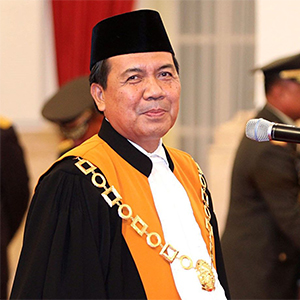
Ketua Mahkamah Agung RI (2020-2024)
Prof. Dr. H. Muhammad Syarifuddin, S.H., M.H.
Judges leaned forward. They didn’t look at scorecards; they looked for story. Arjun had done more than sink a putt: he'd stitched together the invisible thread of memory and place. Cameras replayed the moment from every angle, and the crowd watched the quiet in his face; sometimes the best shot was the one that made the audience remember why they loved watching people try.
Midway, at Hole Five—“Sci‑Fi Dune”—a drone hovered, capturing the flocking course birds and the glint on polished irons. Holographic banners flickered with trailers: grainy footage of past “Best Shots,” each one replayed as if memory were the projector and the past a film reel wound tight. The tournament’s judges were a motley panel: a retired director with a megaphone scar, a sportswriter who kept metaphors like souvenirs, and an AI program named Marlowe that judged pacing and surprise.
When Arjun left the course, the sky held a final reel of cloud. He carried his bag and the knowledge that somewhere between frames and fairways, you could build an entire life’s meaning. The trophy reel was left at the clubhouse, looping in its glass case, and at dusk the projector warmed up and threw the day’s shadows back out onto the green, where players still wandered, each searching for their own best shot. filmyfly golf 2025 best
The wind off the wet fairway smelled like summer rain and old cinephile dreams. At the FilmyFly Golf Club, everyone played with more than clubs — they carried characters. By 2025 the course had become legendary: nine holes named after classic film genres, a clubhouse hung with posters faded by sun and stories, and a scoreboard that tracked not only strokes but applause.
FilmyFly Golf 2025 became a story told in other stories: a short in a film festival, a whispered anecdote in a café, the subject of a late-night radio host’s monologue. Folks said the best shot that year reminded them that sport can be small and cinematic, that there are rounds worth playing just to wind the reel and sit back while the world approves. Judges leaned forward
Hole One—“Noir Alley”—was tight and mean, framed by trunks like curtains. Arjun’s drive threaded deep into the shadow, skimming past an old oak that seemed to whisper plot twists. The gallery of locals — actors, extras, and former critics turned caddies — murmured appreciation. He smiled, thinking of closing lines and the way a simple turn of phrase could change everything.
Arjun arrived with a bag scuffed from midnight drives and midnight screenings. He wasn’t a pro; he was a projectionist who’d learned to read light and shadow and, now, the subtle arc of a well-hit ball. He’d come for the FilmyFly Invitational, the tournament that blurred the line between sport and cinema and crowned each year’s “Best Shot” — not the best score, but the shot that told the truest story. Cameras replayed the moment from every angle, and
-
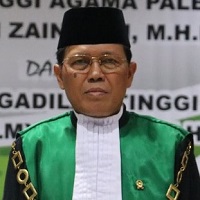
Ketua Pengadilan Tinggi Agama Palembang (2021)
Drs. H. R. M. Zaini, S.H., M.H.I.
APLIKASI*AKSES CCTV ONLINE (ACO) Sangat bermanfaat sekali untuk sarana Pengawasan secara langsung ( real time ) semua keadaan dan aktifitas Aparatur Pengadilan Agama sewilayah PTA Palembang.
-
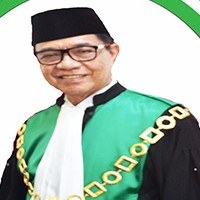
Ketua Pengadilan Tinggi Agama Makassar (2020)
Dr. Drs. H. Abu Huraerah, S.H., M.H.
Dengan Aplikasi ACO tersebut sangat membantu Peningkatan Efektivitas dan Efisiensi pengawasan dilingkungan Peradilan Agama, bahkan melalui Aplikasi ACO , Pimpinan dapat melakukan SIDAK untuk Memonitoring dan Evalusai dalam rangka peningkatan Kinerja Aparatur dan Pelayanan Prima kepada masyarakat Pencari Keadilan .
Ditjen Badilag EXELLENT -
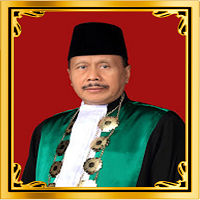
Drs. H. Endang Ali Ma`Sum, S.H., M.H. (2022)
Ketua Pengadilan Tinggi Agama Banten
Access CCTV Online (ACO) sangat mendukung kegiatan pengawasan khususnya di lingkungan Pengadilan Agama Banten. Dengan adanya ACO, Pengadilan Tinggi Agama Banten dapat melakukan pengawasan pelayanan publik yang dilakukan di satuan kerja yang berada di bawah Pengadilan Tinggi Agama Banten. ACO dapat meningkatkan kinerja dan kedisiplinan dari petugas pemberi layanan publik, karena diawasi secara real-time oleh pimpinan satuan kerja dan Hakim Tinggi Pengawas Daerah.