Sousa Pilladas: Maria
At night Maria would sit by the window of her small apartment above the bakery, a cup of tea cooling in her hands. The sea would breathe and the town would sleep in slow waves. She would trace the letters in her notebook again and think of the bottle on the sand, of the man who had crossed an ocean, of the son who came back. She thought of the little soldier, the ferry that sounded like a throat clearing in the dark, the pastry steam that fogged the glass. She felt, in the drowsy quiet, the weight of all the things she was keeping—not possessions exactly, but people’s truths, their small fears and joys. Pilladas were not only about retrieval; sometimes they were about witness. To hold a story was to keep it alive.
Word reached a home in the north where Tomas’s son now worked. He read the message and cried, surprised at how the sea could deliver what systems and forms and official letters could not. He wrote back. The reply traveled through the same small arteries, arriving as a voice on a borrowed phone, a promise to visit, a list of memories that matched details in Tomas’s crumpled note. When father and son finally reunited months later at the quay, the town gathered; the fishermen brought extra chairs, the pastry shop baked a cake the size of a small boat, and the bell rung once for each year lost. The men embraced with an astonished tenderness, as if they had been sick for a long time and were now, at last, healed. maria sousa pilladas
And people still say, on blustery afternoons when the gulls cut sharp through the harbor air, that a thing is “pillarada” if it has been noticed and kept. They mean the word as both noun and prayer. Maria’s name becomes, in the mouths of the people who loved her, less the name of a single woman and more the label for a way of life: attentive, stubborn, and generous. It is a small legacy: not statues or proclamations, but the ongoing practice of holding, of refusing to let small human truths slip away into the sea. At night Maria would sit by the window
Her life came, softly and without fanfare, to resemble the things she kept. It was a life of small ceremonies: a loaf shared at the market, a ribbon tied on a necklace found on the beach, the carved initials on the bench beside the church. When she died—old, with a face like a weathered map—the town mourned, quietly and precisely. They put her notebook into a wooden box and placed it in the bakery’s back shelf, where apprentices could read it and learn how to listen. They kept the corkboard, scratched and full, and taught children to tie notes to it. She thought of the little soldier, the ferry
Maria Sousa was born at the edge of the sea, where the houses leaned into the salt wind and the horizon kept its secrets. In the narrow lane behind her family’s whitewashed home, laundry snapped like flags; her father mended nets on a battered stool; her mother kept the stove warm with a patience that tasted of orange peel and cardamom. Maria learned early that the world demanded both tenderness and hard hands.
Years later, when her hair had a silver that matched the moon’s thin rim and the pastry shop had passed to a younger couple who kept Maria’s apron as an heirloom, she walked the same lane and found, in a gutter, a child’s wooden soldier. She picked it up, sanded the nicked paint with the corner of her apron, and left it on a doorstep with a note: “Found—ask Mrs. Lopes about the little João.” A boy came running that afternoon, breathless and sticky with jam, and carried the soldier like a relic. Maria watched him go and felt the familiar tug—a thing kept, a thing returned. The town hummed on.
She set up a small practice of sorts: a corkboard in the pastry shop window with pinned notes, names of people searching for things or people, requests for help, lost necklaces, the dog that liked to nap under the chapel. She wrote every item in her neat script and watched as the city’s bureaucracy—so efficient at ignoring—met the town’s slow web of human persistence. The corkboard worked not because it was a system but because it became a place where people would take a breath and believe that longing could be answered.

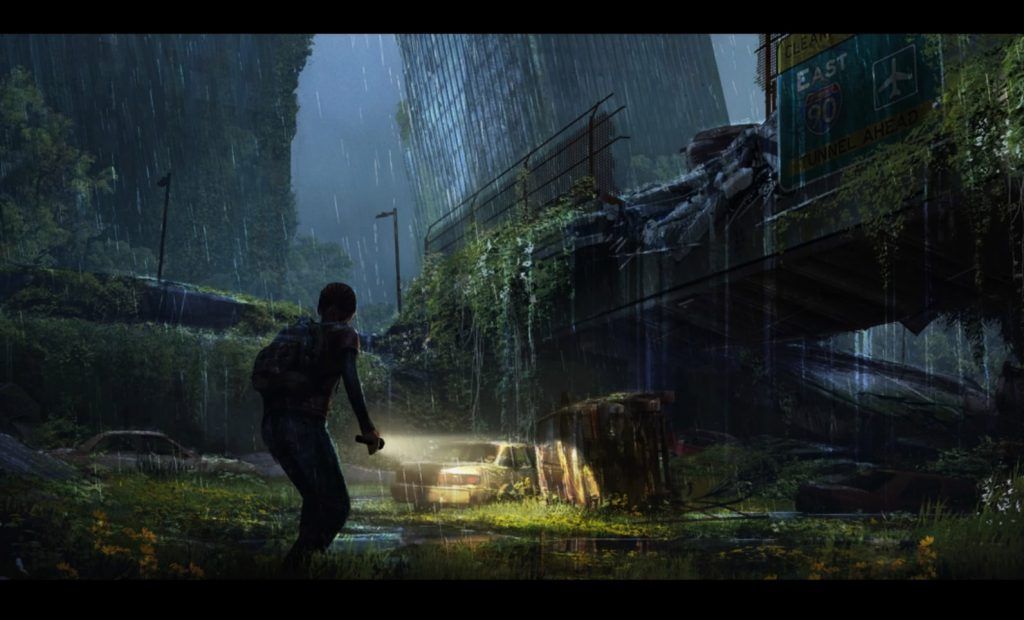


 Matte painting – Mortal engines scene
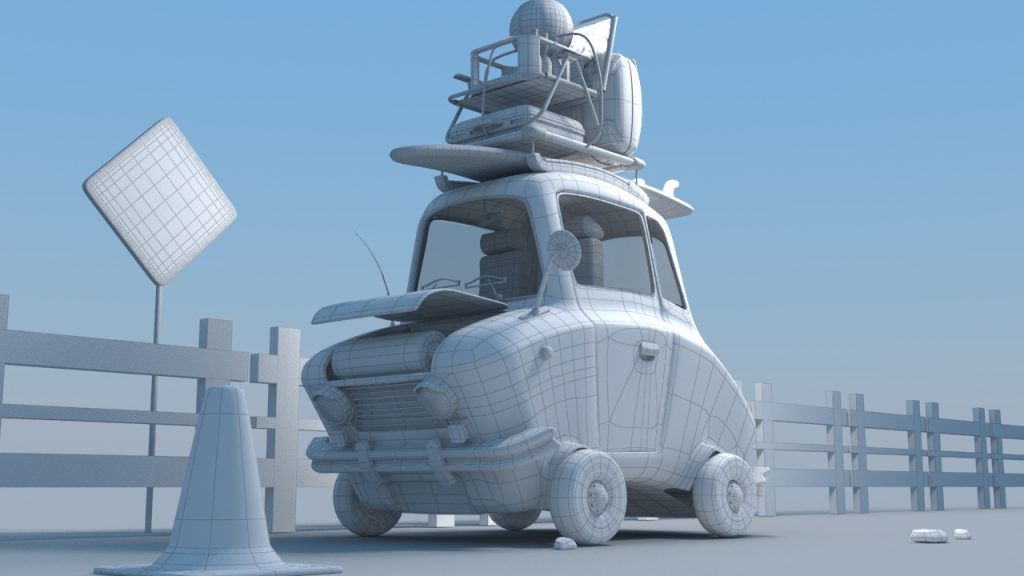
 3D – illustrations
 3D – CGI enviroments
Leave a Reply